Acrylic Quality Control Capabilities
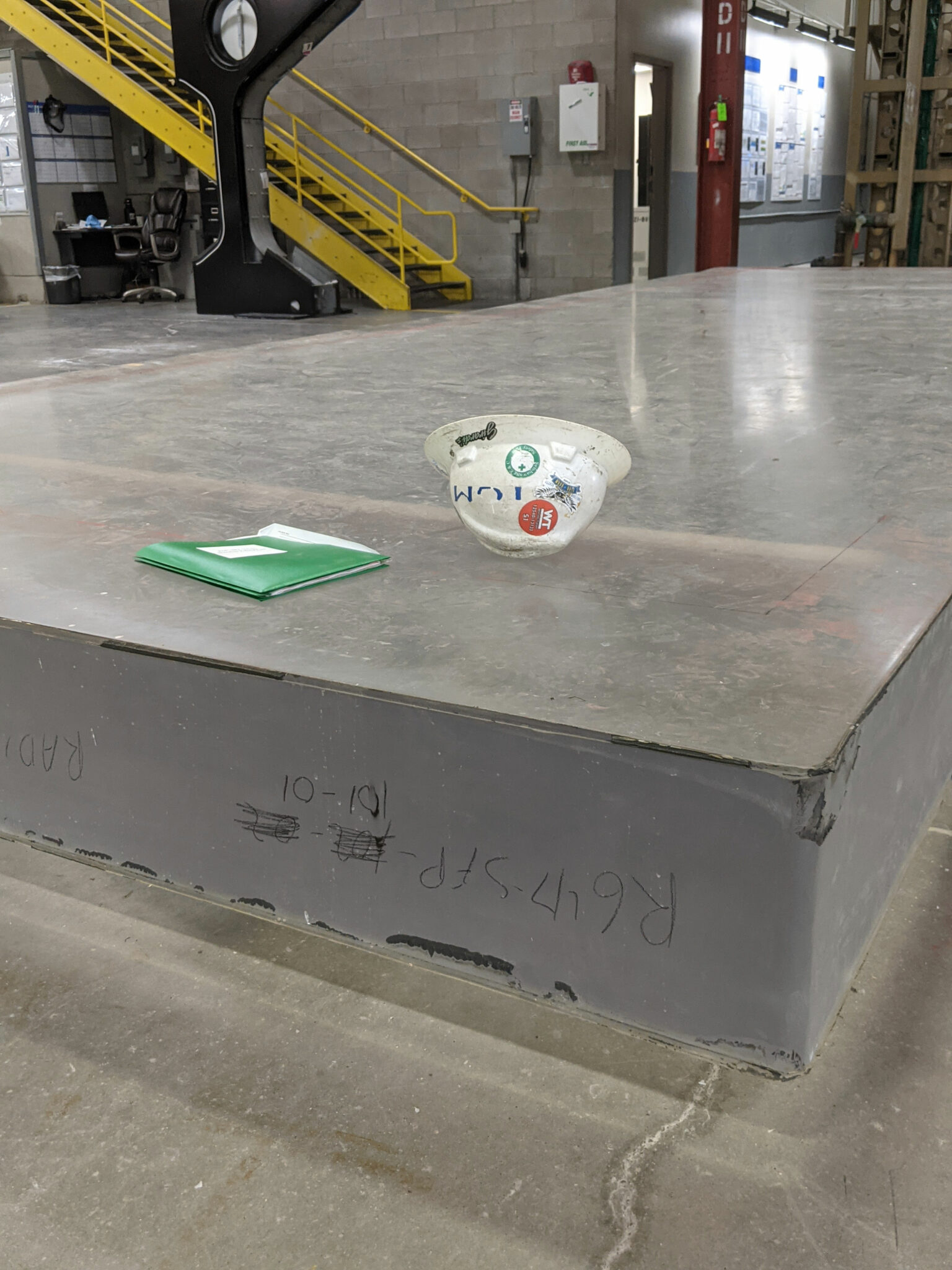
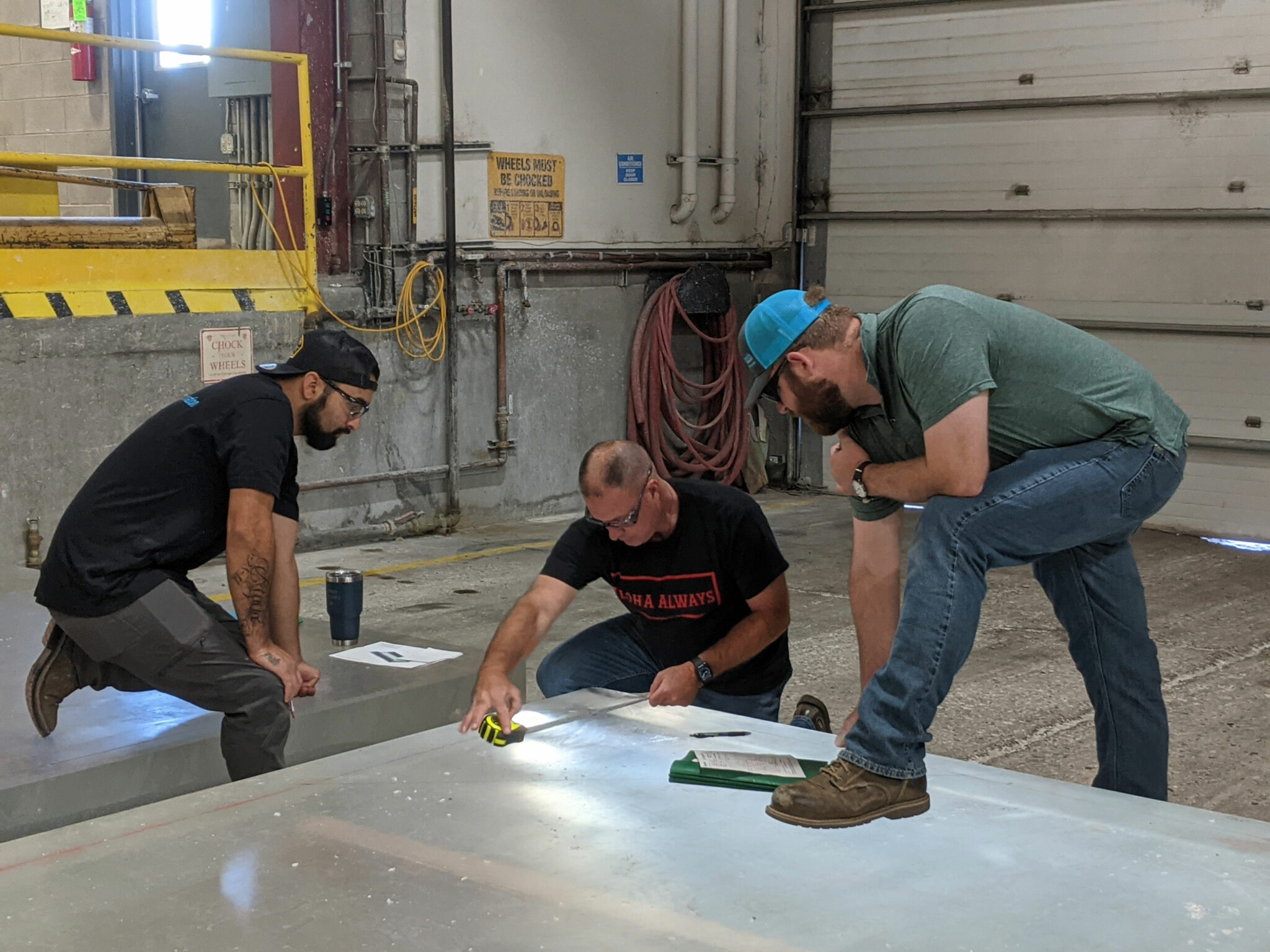
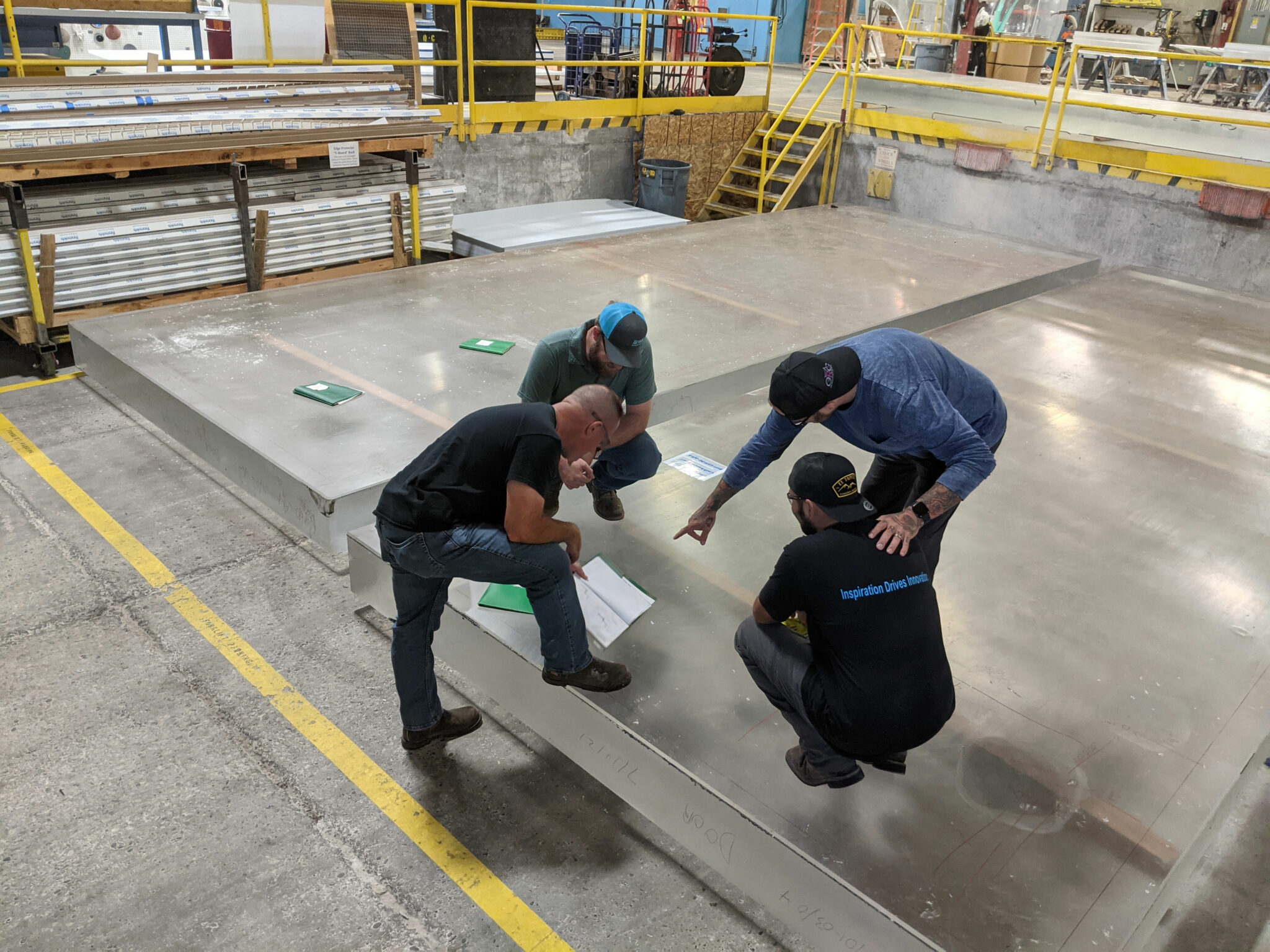
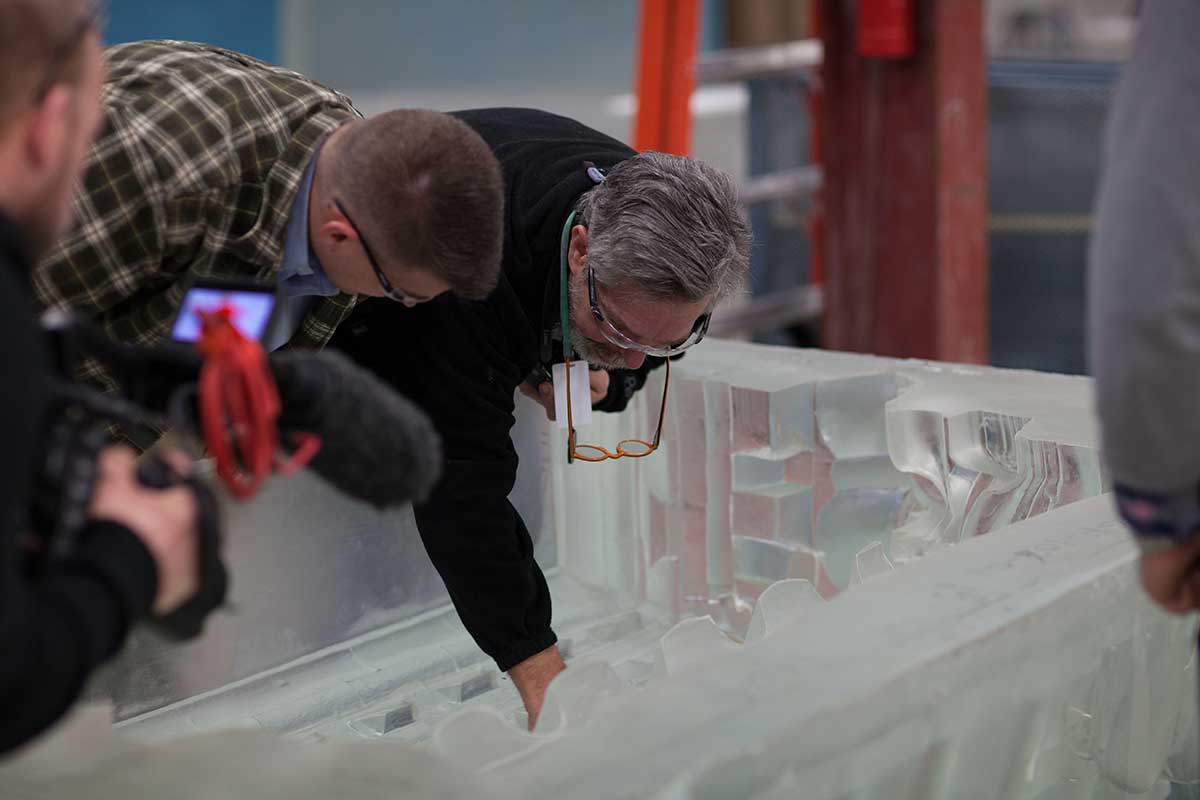
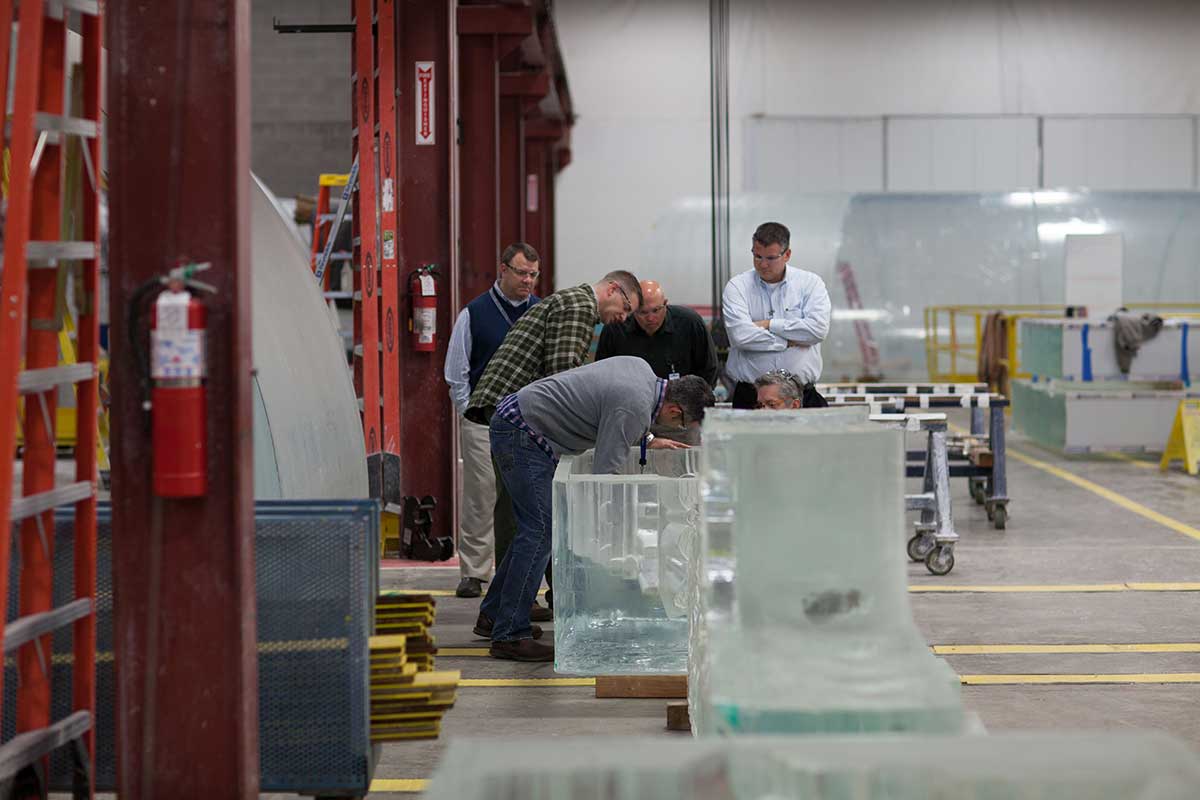
At Reynolds Polymer, quality control is integrated into every stage of production—ensuring every acrylic panel, component, and assembly meets exacting standards for clarity, strength, and performance. Our dedicated QC team combines state-of-the-art testing equipment with decades of hands-on expertise to verify that every product leaving our facility is flawless and ready for installation.
Quality Control Processes Include:
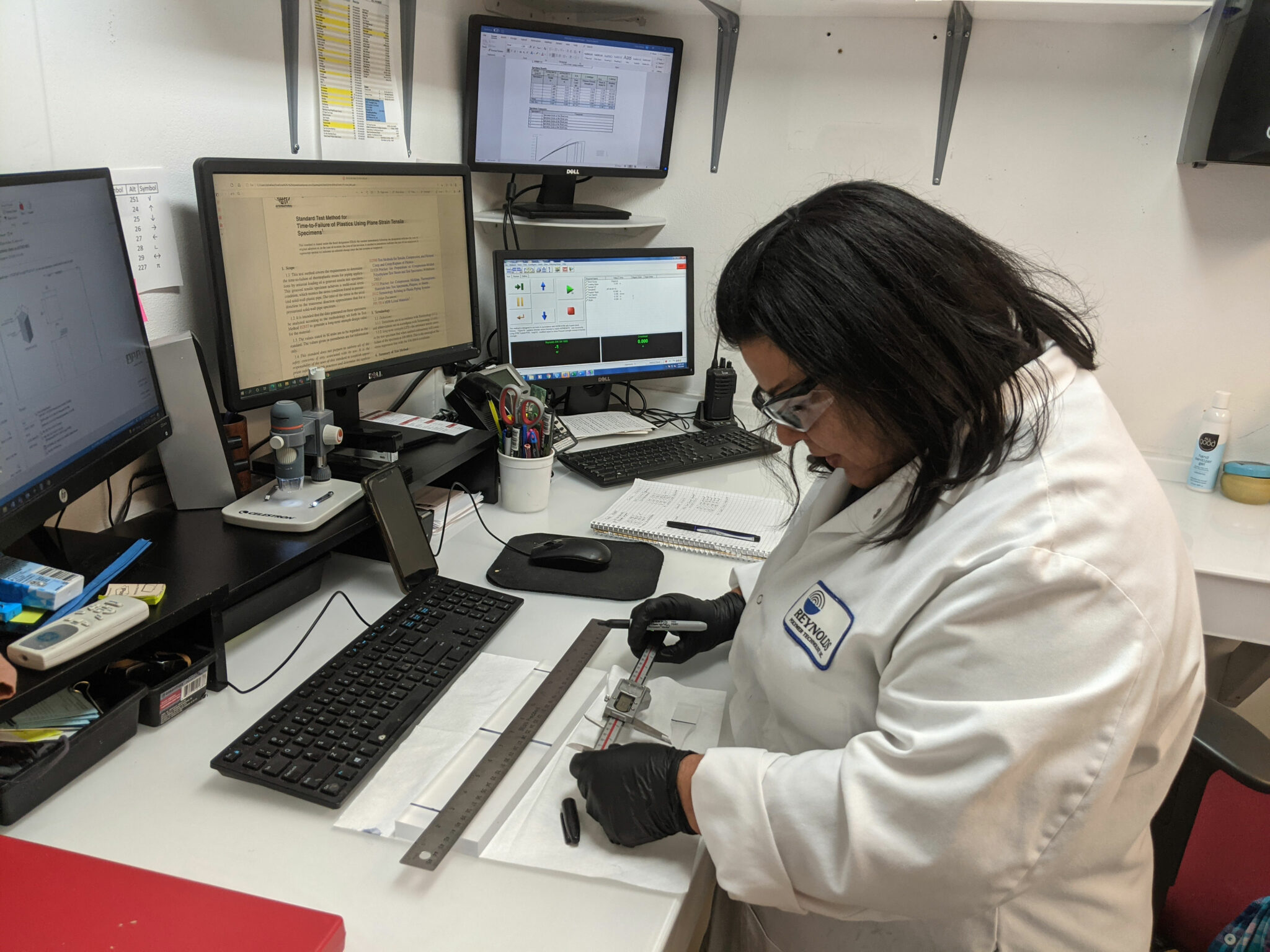
- Dimensional Inspections – Precision measurement to ensure accurate sizing and tolerances.
- Optical Clarity Testing – Verification of transparency and distortion-free viewing.
- Structural Integrity Checks – Load and stress testing to meet or exceed project requirements.
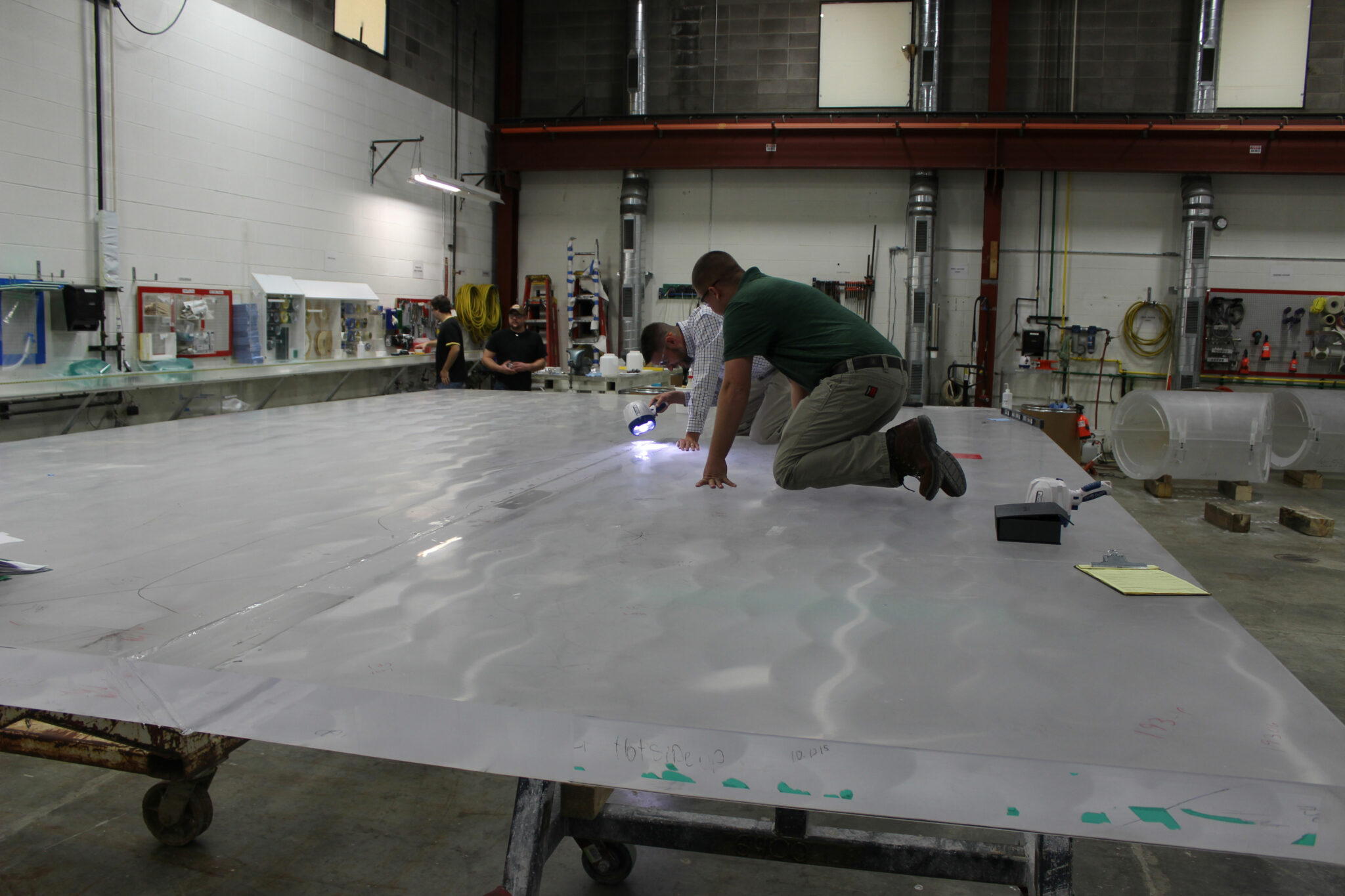
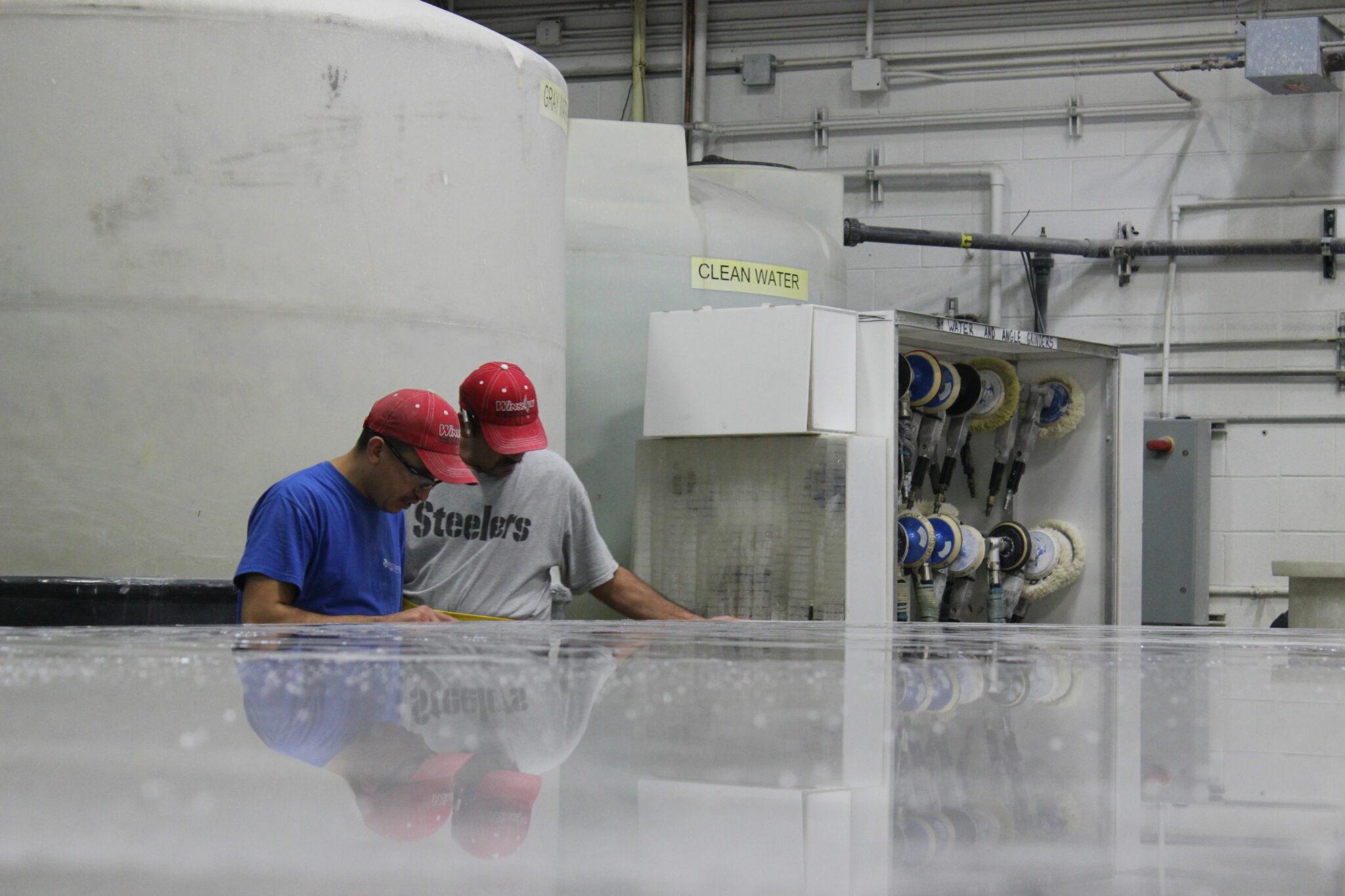
- Surface & Seam Inspections – Ensuring flawless finishes and virtually invisible bond lines.
- Compliance Verification – Confirming all specifications and industry standards are met.
By maintaining strict internal quality protocols and tracking each step of production, we deliver acrylic solutions that perform as beautifully as they look—whether for aquariums, luxury pools, architectural projects, scientific applications, or OEM components.
Quality Control in Acrylic Manufacturing: What Sets Certified Fabricators Apart
Acrylic looks simple — a clear, glossy panel of plastic. But the difference between a sheet that performs flawlessly for decades in an aquarium or luxury pool and one that clouds, warps, or fails within a few years almost always comes down to quality control.
Not every fabricator selling “cast acrylic” is operating at the same standard. Here’s what separates a certified fabricator from the rest.
The Standards Behind the Material
Acrylic quality is measured against defined benchmarks, not marketing claims. ASTM D4802 covers monolithic methacrylate sheets produced by various processes, requiring the material to be composed of polymerized acrylic monomers of which at least 80% is methyl methacrylate, and sets limits for defects, warpage, chips, dirt, and dimensional tolerances. Internationally, ISO 7823-1 covers the same territory for cast sheet.
Beyond the material itself, ISO 9001 certification validates that a manufacturer follows a consistent, documented quality management system across every production run — the difference between a supplier who reliably matches tolerances project after project, and one whose output varies by batch.
What It Looks Like in Practice
Real quality control isn’t a single inspection at the end of the line. It runs through the entire manufacturing and fabrication process:
- Material verification before casting even begins, since recycled or reground material isn’t permitted in certain sheet categories precisely because it can introduce optical inconsistency
- Process control during casting and forming, where temperature, humidity, and cure time all affect clarity and dimensional stability
- Defect and dimensional inspection at multiple stages — not just on the raw sheet, but again after custom fabrication, bonding, and machining
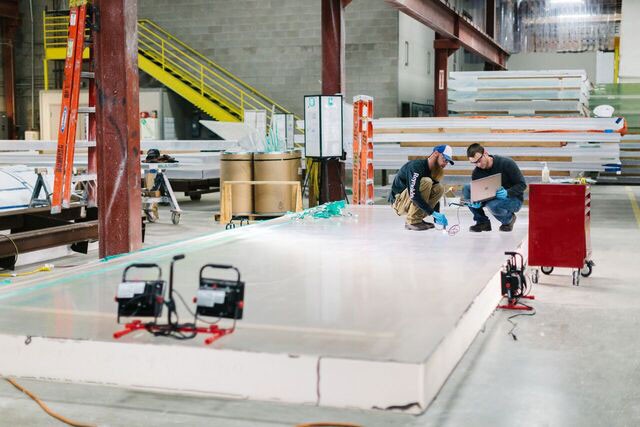
- Bond and seam integrity testing, critical for large-scale structures like aquarium tanks and water features, where a bonding failure is far more consequential than a flaw in a single panel
This is where Reynolds Polymer’s approach stands apart from standard sheet suppliers. Reynolds’ signature monolithic casting process is paired with in-house bonding, forming, machining, and finishing — meaning quality control isn’t outsourced across multiple vendors but managed end-to-end, from raw material to finished, installed assembly. That’s especially important for the specialized markets Reynolds serves: luxury pools and spas, aquariums, protective barriers, water features, and OEM applications like PVHO (Pressure Vessels for Human Occupancy)—projects where a defect isn’t cosmetic; it’s structural.